31
Oct
Oct
A pre-holiday WooCommerce performance plan: cache catalogue pages safely, protect dynamic checkout, test payment flows and measure peak traffic.

WordPress is a popular open-source content management system (CMS) used to create and manage websites and blogs. It offers customizable themes, plugins, and an easy-to-use interface, making it accessible for both beginners and professionals.
A pre-holiday WooCommerce performance plan: cache catalogue pages safely, protect dynamic checkout, test payment flows and measure peak traffic.

After the October 2026 WordPress security release, review plugin inventory, ownership, updates, staging tests and recovery before changing production.
A backup is not a recovery plan. It is only one part of the plan. When a revenue site fails, we need clean data, clear roles, and a tested path back online. We treat recovery like a product. We set a target, test the flow, and remove slow handoffs before a real outage. That turns […]
Production is where customers act and money moves. It is the worst place to test a risky change. A staging site gives us room to break things before users see the damage. We get the most value from staging when it mirrors the live stack, blocks public traffic, and has a clear path for moving […]
A WordPress database grows one small write at a time. Revisions, sessions, logs, options, orders, and plugin data can pile up for years. The answer is not blind cleanup. It is careful removal of data the site no longer needs. We optimize from evidence. We find the slow path, back up the data, remove known […]
Page cache can make a public page look fast. It does less for a logged-in user, a cart, a search, or an admin screen. That is where a persistent object cache may earn its keep. Redis helps when repeated database work is the real limit. It does not repair slow code, weak queries, or too […]
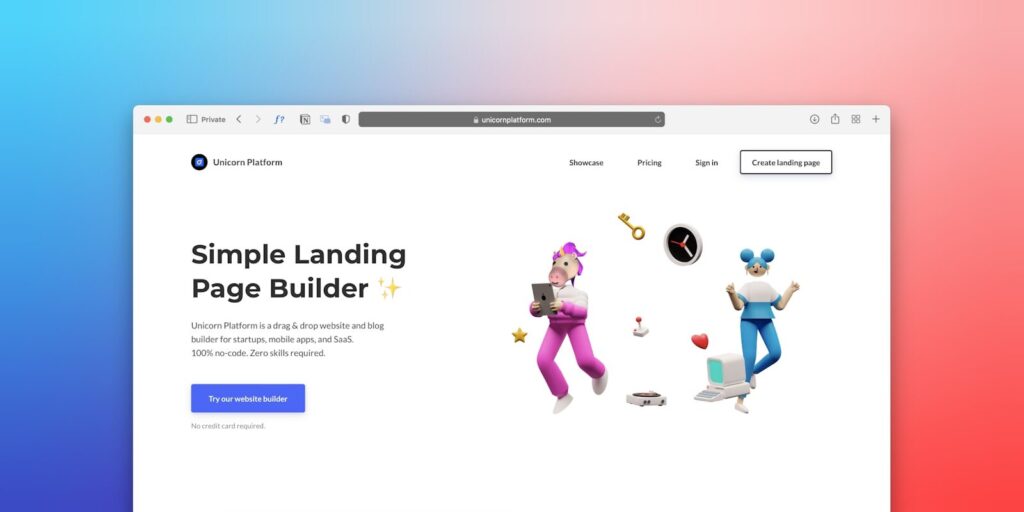
Headless WordPress sounds modern because it is modern. WordPress manages the content. A separate app shows it to users. That split can create speed and freedom. It can also double the number of systems we must run. We use headless design when a separate front end creates a clear product edge. We do not use […]
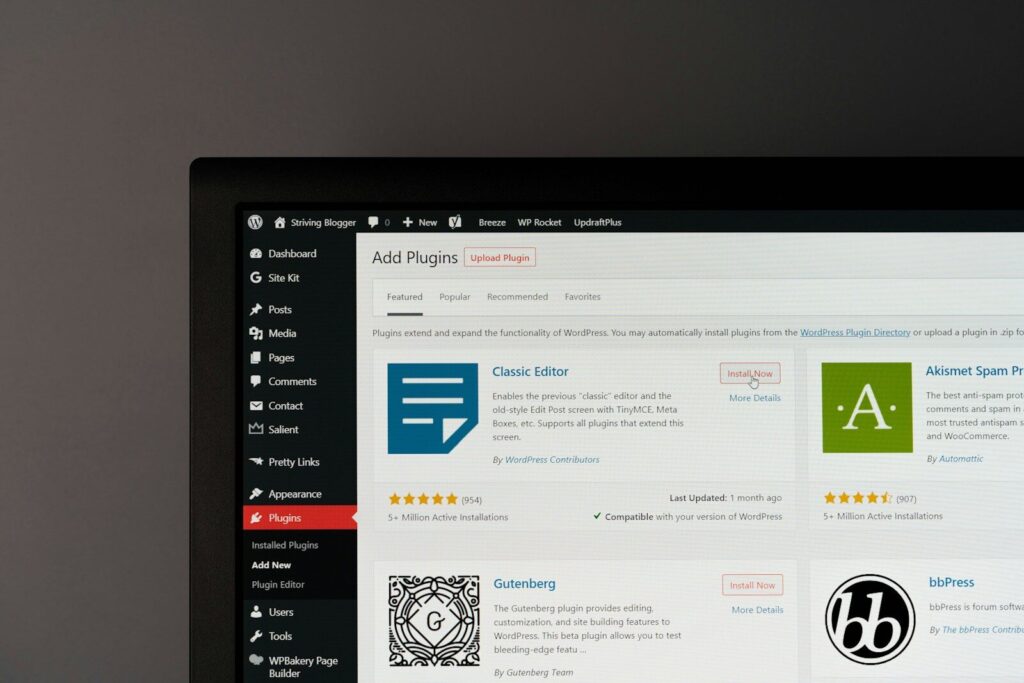
Running twenty sites as twenty separate systems creates repeat work. Running them as one network removes some of that work and concentrates some of the risk. WordPress Multisite makes that trade in a clear way. We use Multisite when sites share governance, code, and care. We avoid it when each site needs full freedom, separate […]
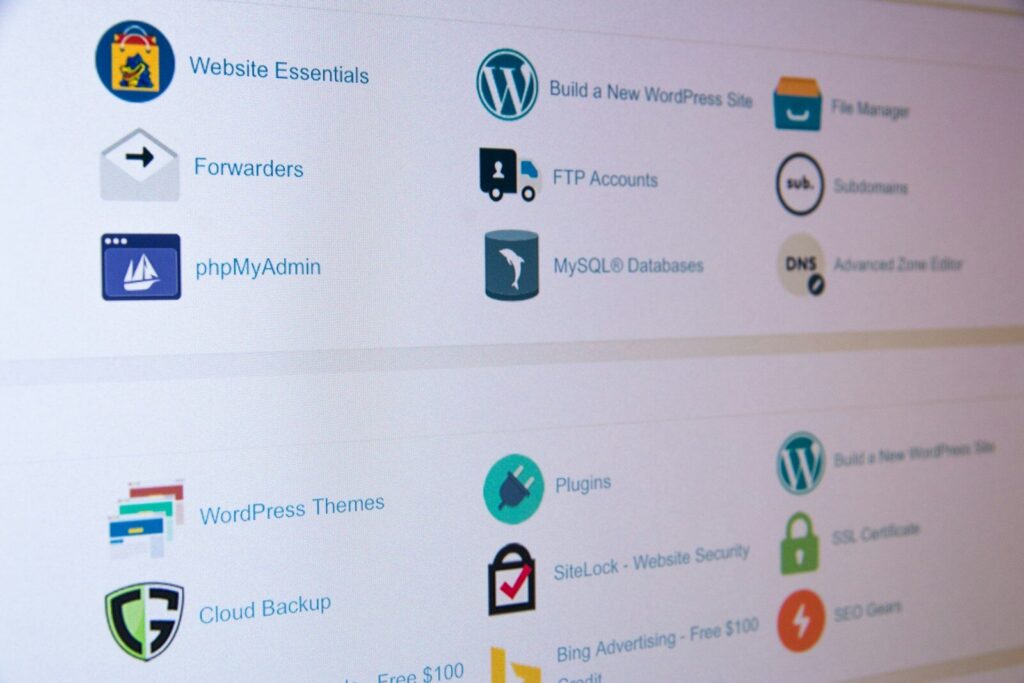
WordPress can schedule work, but its default clock is tied to site visits. That is fine for many sites. It can be late on quiet sites and heavy on busy ones. We choose the scheduler from the cost of being late. A brochure site can accept loose timing. A store that sends mail, renews plans, […]

An abandoned cart is not always a lost buyer. It may be a price check, a shipping surprise, a phone call, a broken payment, or a shopper who needs one clear reason to return. We recover carts by fixing friction first and sending useful reminders second. Discounts are a tool, not the default. If every […]