
Computer & Digital, Webhosting, Wordpress
WordPress in the Browser: Why my.WordPress.net Changes How We Prototype Websites
May
A website idea used to need setup before it could breathe.
We needed hosting. We needed a domain. We needed a database. We needed a local dev tool. We needed a staging site. Sometimes we needed all of that before the first real idea was tested.
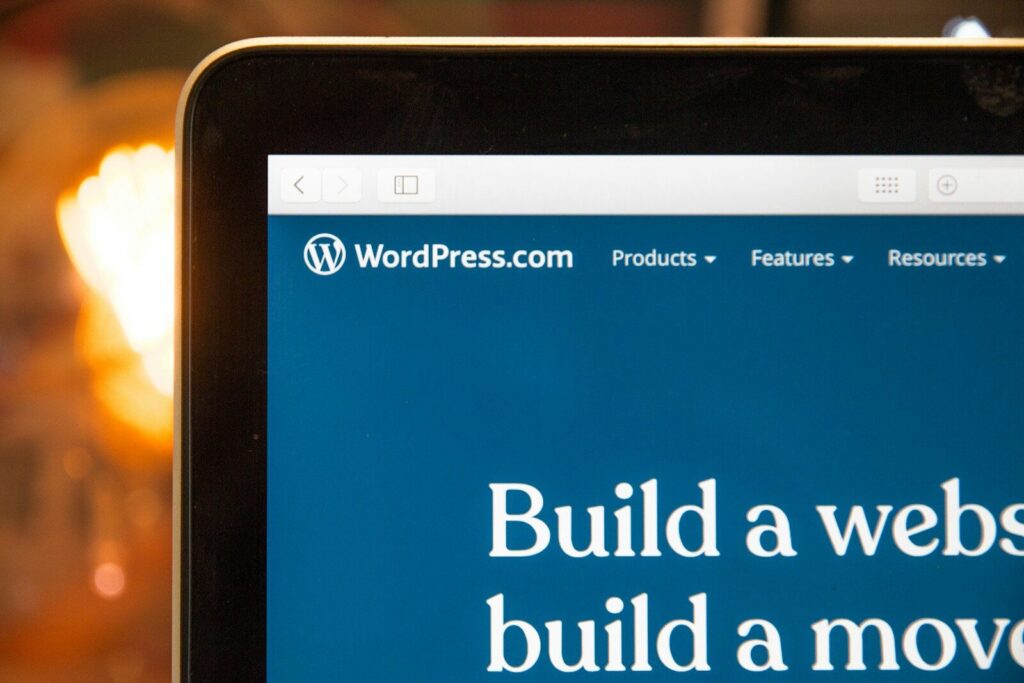
Now WordPress can run in the browser.
That sounds small at first. It is not.
Browser-based WordPress changes how we test, teach, write, demo, and build. It lowers the cost of trying ideas. It lets us move faster before we spend money. And for founders, agencies, bloggers, and small business owners, that matters.
The cheaper it is to test, the more ideas we can afford to kill.
That is a good thing.
Prototyping Should Be Cheap
Most ideas are not ready for production on day one.
A new service page may need three versions. A landing page may need different layouts. A plugin may need a quick test. A founder may need to see the rough shape before hiring a developer.
When setup is heavy, we delay. We talk too much. We guess.
When setup is light, we build.
Browser-based WordPress gives us a private space to try things without making a full hosting commitment. It is not meant to replace a live website. It is meant to make the early stage easier.
That early stage is where many good ideas die from friction.
Why This Matters for Small Businesses
Small businesses do not have endless runway.
Every tool has to earn its place. Every hosting plan, plugin, theme, and hour of labor has a cost.
If you can sketch a site, test a theme, draft pages, or train a team member before buying anything, you lower risk.
That is the founder’s mindset. We still take risks, but we take smarter ones.
Instead of buying a full stack before we know the idea works, we can build a rough version first. Then we can move the winning version to real hosting when it is ready.
This keeps capital aimed at the right problems.
Browser WordPress Is Not Real Hosting
Let’s be clear.
A browser workspace is not a public business website. It is not the place for customer traffic. It is not the place for final SEO. It is not the place to run paid ads. It is not the place to process sales.
It is private, local, and limited. AI Search Visibility for Local Businesses: How We Build Pages Machines Can Trust.
That is the point.
We should use it like a workshop. You can cut wood in the shop before you install cabinets in the house. You can test the fit. You can make a mess. You can change your mind.
Then, when it is time to go live, you move to real hosting with backups, security, uptime, email, SSL, caching, and support.
The workshop does not replace the storefront.
The New Workflow
A smart WordPress workflow in 2026 can be simple.
We start in the browser. We draft the content. We test the theme. We try a plugin. We map the pages. We check the navigation.
Then we move to staging. This is where we test with the real stack. We add hosting, PHP settings, caching, forms, email, security, and performance checks.
Then we launch.
That flow saves time. It also keeps clients and teams from confusing rough work with finished work.
In other words, the browser workspace helps us think. Staging helps us verify. Hosting helps us serve the market.
Faster Training for Teams
Browser WordPress also helps training.
A new staff member can learn posts, pages, menus, blocks, media, and plugins without touching the live site. That is huge.
Mistakes are part of learning. But we do not want those mistakes on a real business website.
With a private browser site, the learner can click around. They can break things. They can reset. They can learn how WordPress feels.
That reduces fear.
A confident team updates the site more often. A stale site loses trust. So training is not a side issue. It affects marketing speed.
Better Plugin Testing
WordPress plugins are powerful. They are also risk.
A plugin can solve a problem fast. It can also slow the site, conflict with another plugin, add security risk, or create admin clutter.
Browser-based testing gives us a first pass.
We can install a plugin and see how it behaves. We can inspect settings. We can decide if the tool is simple enough for the team. We can compare options before adding anything to a live site.
This is not full security testing. It is not performance testing under load. But it is still useful.
It helps us avoid obvious mistakes. 2025 Red Snapper Season Updates: What’s New, What’s Open, and What It Means for You.
A Win for Agencies and Developers
Agencies can use browser WordPress to speed up sales and planning.
Instead of talking through an idea in the abstract, we can show a rough version. We can create a sample layout. We can demo a plugin. We can help a client see what is possible.
This shortens the gap between idea and proof.
Developers can also use it for quick experiments. Blocks, themes, plugin demos, and content models can be tested without a full install.
The result is less setup and more learning.
That is a good trade.
Content Comes First Again
One reason browser WordPress is exciting is that it lets us write before we engineer.
Too many website projects start with design. Then everyone realizes the content is weak.
That is backward.
A website is not a frame. It is a message system. The pages need a reason to exist. The home page needs a clear promise. Service pages need proof. Product pages need detail. Blog posts need intent.
Browser WordPress makes it easy to draft the content structure first. We can see if the site has enough substance before we buy design hours.
That keeps the project honest.
Where Real Hosting Still Wins
When a site goes public, hosting matters more than ever.
A live business site needs speed, isolation, uptime, backups, SSL, malware protection, email records, and support. It needs clean resource limits. It needs a server that is not packed with spammy neighbors.
It also needs room to grow.
A browser site is a seed tray. Hosting is the field.
The seed tray is useful because it lets us start more ideas. But once the plant is ready, it needs the right ground.
That is where a serious host earns its money.
The Best Use Cases
Browser WordPress is a strong fit for early drafts, training, plugin exploration, theme testing, private notes, demo builds, and learning.
It is also useful for entrepreneurs who want to test a concept before they spend.
A restaurant can sketch a menu site. A consultant can draft service pages. A store owner can test WooCommerce basics. A blogger can build a content outline. A developer can show a client a rough idea.
Alabama Hunters Education: The Key to a Safe and Rewarding Hunting Experience. The risk stays low.
The learning happens fast.
The Risk of Playing Forever
There is one danger.
Easy prototyping can become endless tinkering.
We still need discipline. At some point, we have to ship. A private browser site does not earn leads. It does not rank. It does not answer customer questions in public. It does not build domain authority.
So we should set a line.
Use the browser to test the idea. Move to hosting when the idea has a path. Then publish, measure, and improve.
Speed matters. But shipping matters more.
From Sandbox to Serious Business
Browser WordPress is not a toy. It is a sandbox.
That sandbox can save money, speed up teams, and lower the fear of starting. For a tech-minded operator, that is valuable.
We do not need every idea to be perfect. We need a way to test more ideas with less waste.
That is how good products are built. That is how good websites are built too.
We start rough. We learn fast. We move the winner to real ground.
Then we build for traffic.
